European stand-builder directory
Freight forwarding at a European fair is half a logistics decision and half a contractual one, most major European Messen hand on-site handling to a single official partner (Schenker at Frankfurt, Kuehne+Nagel at Düsseldorf and Berlin, BTG at München), and the split between external trucking and venue-controlled in-hall movement is where exhibitors regularly overshoot freight budgets by 30-50%. This section covers consolidator selection, direct vs groupage economics, official forwarder tariffs, and the documentation rules that keep your crates moving.
This section covers freight forwarding for European exhibitors. European exhibition freight has a quirk that catches first-time exhibitors out: the trucking leg to the venue is competitive and priced at market, but the moment your crates cross the loading dock the venue's official forwarder takes over and rates jump to monopoly levels. Schenker at Messe Frankfurt, Kuehne+Nagel at Düsseldorf and Messe Berlin, BTG at Messe München, Expotrans at Fiera Milano, and Valverde at IFEMA Madrid all operate exclusive on-site handling agreements. Forklift movements run EUR 80-140 each, empty case storage is billed at EUR 35-55 per cubic metre per show, and any rigging from the hall ceiling is exclusively theirs.
The articles below break the freight equation into actionable parts: when consolidated groupage beats a dedicated truck (and the cubic-metre threshold where the answer flips), how the official forwarders' tariffs are actually structured, what documentation Schenker and Kuehne+Nagel demand from EU-resident shippers versus non-EU origins, and how to time inbound delivery slots so you do not pay 25% late surcharges.
We also unpack CMR liability limits, EUR 10 per kg is the legal default and it will not cover your LED wall, and how all-risk transit cover should be quoted alongside the freight rate, not after.
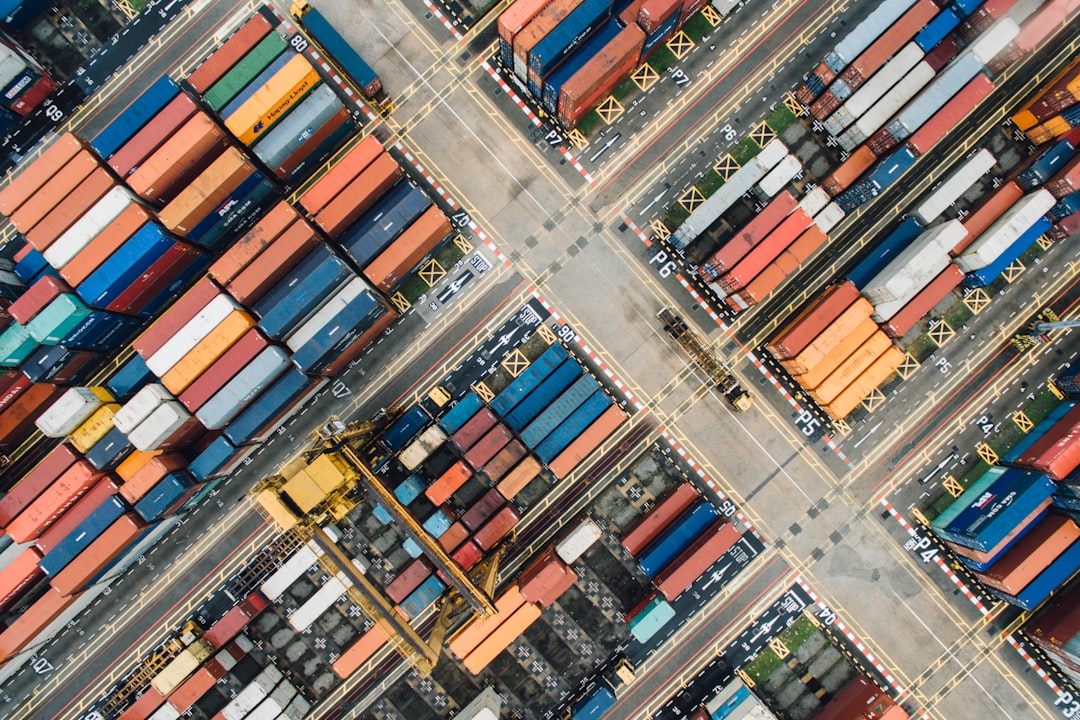
DB Schenker holds the on-site appointed-forwarder concession at Messe Frankfurt, but exhibitors can deliver through Kuehne+Nagel, DHL Trade Fairs, and other consolidators. A practical comparison of pricing, on-site handling fees, last-mile control, and the contractual fine print that determines which forwarder actually saves you money for a given consignment profile.
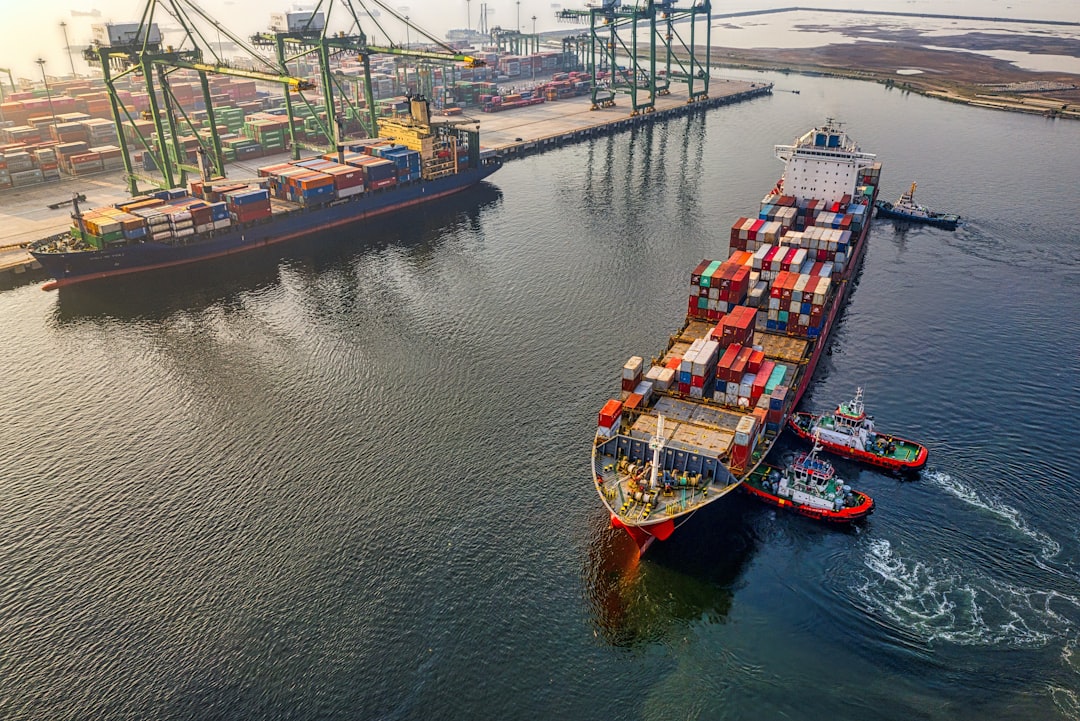
Choosing between the venue's official forwarder, a consolidated groupage service, and a direct charter determines whether your stand crates arrive in the two-hour delivery window or sit in the marshalling yard for three days. A working framework with named forwarders, real EUR rates, and venue-specific quirks.
Three customs regimes can move an exhibition stand into the European Union. DDP pays the duty and VAT and treats the goods as permanently imported; ATA carnet uses a temporary-admission document that defers duty and VAT for up to 12 months; temporary import procedure runs through EU customs without a carnet. A practical decision matrix for picking the right regime for your consignment, your fair calendar, and your post-show plan.
You can deliver to a German Messe with any carrier, but on-site handling inside the hall, forklift, pallet jack, empty case storage during the show, is almost always monopolised by the venue's official forwarder. At Messe Frankfurt this is Schenker DB; at Messe Düsseldorf and Messe Berlin it is Kuehne+Nagel; at Messe München BTG operates the on-site monopoly.
You can have your own truck reach the loading yard, but the moment goods cross into the hall they pay the official forwarder's tariff. Expect EUR 35-55 per cubic metre for empty case storage and EUR 80-140 per forklift movement. Plan the split between external freight and on-site handling deliberately.
Consolidated groupage shipping splits one truck across multiple exhibitors and typically costs EUR 180-260 per cubic metre door-to-stand within the EU. Direct dedicated trucking runs EUR 1,800-3,400 for a full 90 cubic metre trailer from most Western European origins to Frankfurt, Düsseldorf, Milan, or Amsterdam.
The crossover point is around 8-10 cubic metres: below that, groupage almost always wins; above 12 cubic metres a dedicated truck is cheaper and gives you a guaranteed delivery slot. Direct also avoids the consolidation hub transhipment that adds 2-3 days transit and the small but real damage risk of being unloaded and reloaded mid-route.
For the largest fairs, Hannover Messe, IAA Mobility, drupa, K, Anuga, ISH, book by 14-16 weeks before opening day. Capacity around these dates books out and rates rise 30-60% in the final four weeks. For mid-tier fairs such as ProWein, Light+Building, or Achema, 8-10 weeks ahead is acceptable.
Always book before the early-deadline date published in the exhibitor manual: official forwarders apply a 'late shipment' surcharge, typically 20-25%, to consignments arriving after that cut-off. Book the empty-case storage and dismantle return movement at the same time as inbound freight; capacity for outbound is consistently the tightest constraint on the breakdown days.
Intra-EU shipments need a commercial invoice or pro-forma listing every item with a declared value (insurance basis), a packing list keyed to each crate or case, your VAT number for the VIES system, and the venue's exhibitor labels with hall and stand number affixed to every piece.
Extra-EU origins additionally require an ATA Carnet or temporary import declaration, an EORI number for the consignee, and HS commodity codes per line item. The exhibitor manual issued by Messe Frankfurt, Messe München, Fiera Milano, IFEMA, or RAI Amsterdam contains the venue-specific delivery slot booking form, submit this even when shipping with the official forwarder.
Missing slot bookings are the single most common cause of delayed delivery on build-up day.
Default carrier liability under CMR (international road) is capped at SDR 8.33 per kilogram, roughly EUR 10 per kg, which is wholly inadequate for exhibition assets. A 200 kg crate of LED screens and lighting valued at EUR 40,000 would attract a CMR settlement of around EUR 2,000.
Always declare cargo value and buy supplementary all-risk transit insurance through the forwarder or a specialist exhibition insurer; expect 0.3-0.6% of declared value as premium. Once goods are inside the hall, liability passes to the official forwarder under their own tariff conditions, which are typically even more restrictive.
Photograph every case before dispatch and immediately on arrival to preserve damage claims, without timestamped condition photos most insurers will reject the claim.
