European stand-builder directory
Every European trade fair is also a competitive intelligence event whether you treat it that way or not. Your direct competitors are exhibiting metres away, their customers are walking the same aisles, and the structural signals they are sending, stand investment, product focus, partnership announcements, customer logos, are the cleanest read on their next 12 months you will get anywhere.
This section covers the ethical CI practices that turn a four-day fair into a structured market scan: what to capture, how to capture it without crossing SCIP ethical lines, and how to write the post-fair CI report that the business will actually use.
This section covers competitive intelligence at fairs for European exhibitors. Most exhibitors send their teams to fairs without any structured competitive intelligence plan, then complain that desk research three months later cannot tell them what their competitors are doing. The fair was the answer.
A two-person CI sweep across the four days of Hannover Messe or EuroShop typically produces more actionable competitor signal than six months of subscribed industry-research reports, because the signals are structural (stand investment, demo focus, partnership announcements) rather than narrative. The catch is that those signals only show up to teams that arrive with a CI plan, not to teams that wander competitor aisles between their own shifts.
The articles in this section unpack the operating discipline:
Real signal categories, real structural reading techniques, and the distribution discipline that separates CI from corporate gossip.
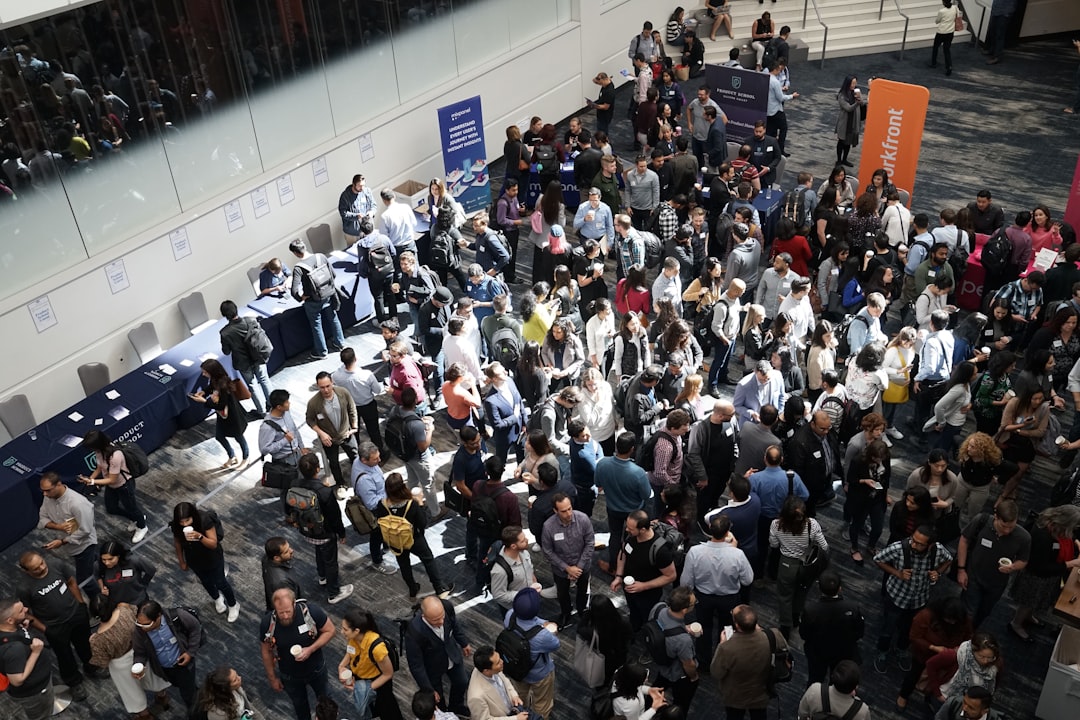
The eight-dimension competitor stand analysis framework experienced European CI professionals apply at trade fairs: footprint, build type, meeting capacity, hospitality, staffing, product display, partner ecosystem, and communications narrative. Produces actionable strategic comparisons.
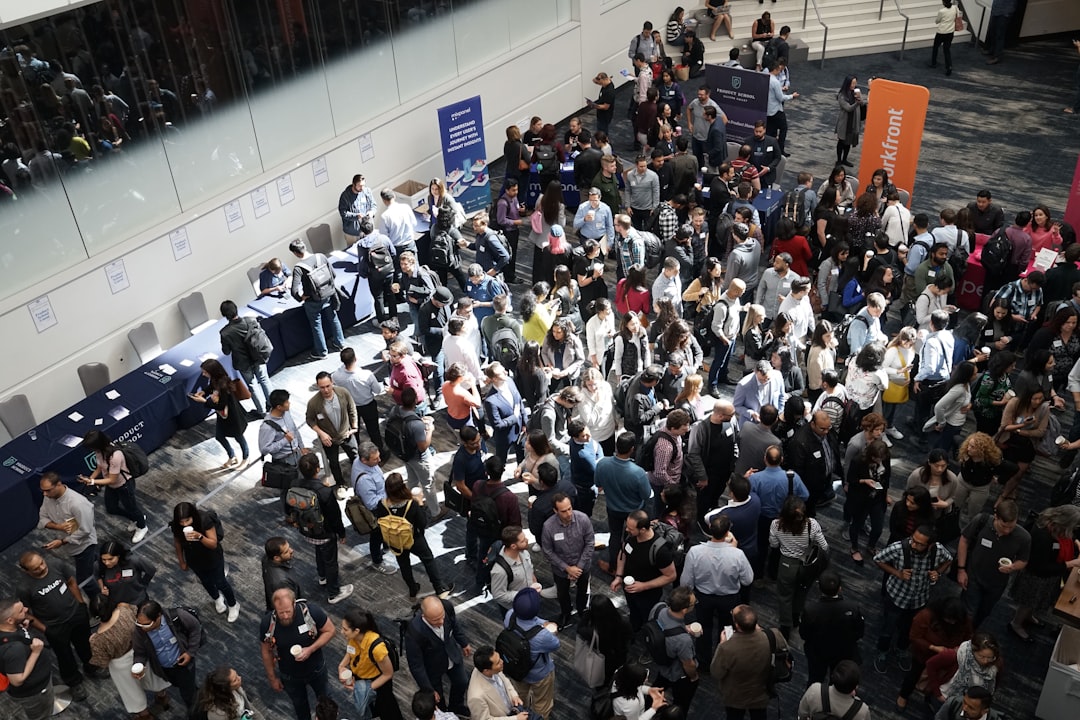
How European B2B exhibitors structure competitive intelligence collection at trade fairs in 2026: ethical boundaries under SCIP and EU Trade Secrets Directive, collection methods, per-fair budget figures, fair-specific patterns, and the synthesis discipline that converts intelligence into strategic decisions.
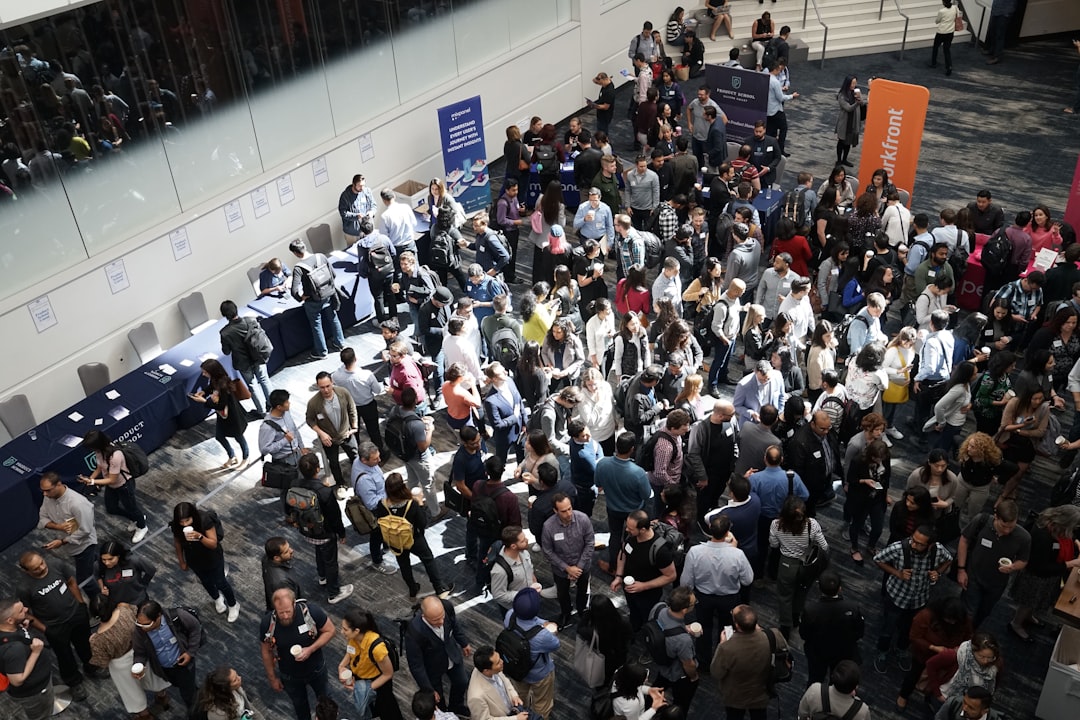
How to gather competitive intelligence at European trade fairs within SCIP ethical guidelines. Observation frameworks, interview protocols, what is legitimate, and what crosses into espionage territory.
Ethical CI at a fair means gathering only what any visitor could legitimately see, hear, or be given.
A structured sweep covers: photographing public-facing stand designs and product displays (not behind-the-counter), reading publicly distributed brochures and spec sheets, attending open presentations and demos, noting publicly visible staffing levels and apparent traffic, and recording what competitor staff say to general visitors without misrepresenting identity.
SCIP (Strategic and Competitive Intelligence Professionals) publishes a code of ethics that European CI practitioners broadly follow. Forbidden territory: misrepresenting your employer, posing as a prospect to extract proprietary information, photographing prototype documents on the staff side of the booth, recording private meetings, or attempting to access restricted demo areas.
The distinction matters legally in some EU jurisdictions and reputationally in all of them.
Seven signal categories repay attention. First, stand investment level (square metres, build quality, position), indicates strategic priority. Second, product launches and version updates from public booth materials. Third, pricing signals from publicly available brochures or sales-floor conversations. 4. Partnership and integration announcements visible on stand graphics or in conference sessions.
Fifth, hiring signals (recruiting collateral at the booth, conference talks by senior leaders). Sixth, customer logos featured on the stand (indicates which segments and named accounts the competitor is winning). Seventh, demo focus, what the competitor is actively showing decides what they are prioritising next.
Skip the false signals: booth busyness on any single hour, the exact wording of marketing taglines, or whatever rumour is circulating in the visitor halls. Real signal lives in publicly visible structural investment, not gossip.
A four-day fair like Hannover Messe or EuroShop deserves a structured CI plan, not ad-hoc walking. Day one morning: stand-design and physical sweep of all direct competitors, photographing public-facing displays and noting size and positioning. Day one afternoon: collect printed materials and capture conference-talk schedules featuring competitor speakers.
Day two: attend competitor public presentations and demos in full. Day three: deeper conversations with competitor staff in their general-visitor capacity (introduce yourself honestly as an industry observer or competitor, never misrepresent), focusing on roadmap signals and customer use cases they volunteer publicly.
Day four: customer-side sweep, talk to mutual customers about competitor offerings, document the questions visitors are asking at competitor stands. Assign two people to the sweep (one note-taker, one observer) so the data quality survives end-of-day fatigue.
Five market-level signals are easier to read at fairs than anywhere else. First, adjacent-category encroachment, companies from neighbouring sectors building stands at your fair indicate competitive boundary blur. Second, integration and partnership patterns, when several competitors all announce integrations with the same platform, that platform has become category-essential.
Third, geographic exhibitor mix, a sudden increase in Chinese, Indian, or Korean exhibitors at a European fair signals shifting global competition. Fourth, conference programme themes, what fair organisers choose to feature in keynotes and panels reveals where they see industry attention shifting.
Fifth, customer attendance shifts, major buyers who used to attend in person but now send junior delegates signal changing buying behaviour or budget pressure. None of these signals are visible from desk research; they require physical fair presence and a CI-aware observation discipline.
A structured post-fair CI report has three sections and lands within 14 days of the fair closing. Section one: structured competitor profiles for each direct competitor on five dimensions (stand investment, product updates, partnership signals, customer logos shown, demo focus). Section two: market-level signals (adjacent encroachment, geographic mix, customer attendance patterns, conference theme shifts).
Section three: action implications for sales, product, and marketing, what should change in pitch, what should be communicated to the product team, what content marketing should produce. Distribute the report to a defined list (sales leadership, product leadership, marketing leadership) and hold a 30-minute review session within three weeks.
CI reports that sit unread in a folder produce zero business value regardless of quality. The discipline that makes fair-CI worth the effort is the post-fair distribution and review loop.
