European stand-builder directory
Choosing the right fair, or rather the right handful of European trade fairs to commit to, is the single highest-leverage decision in your annual exhibition plan. Get it right and a EUR 80,000 booth pays back in a single show; get it wrong and the same spend produces a stack of unqualified business cards. This section breaks down the four-filter selection framework, how to read AUMA and UFI audit data, and how to spot fairs that have peaked.
This section covers choosing the right fair for European exhibitors. The European trade fair calendar lists roughly 350 internationally-relevant events per year across the major venues, Messe Frankfurt, Messe Berlin, Deutsche Messe Hannover, Fiera Milano, Fira Barcelona, Paris Expo, NEC Birmingham, RAI Amsterdam, and a long tail of regional grounds.
No exhibitor can attend more than a handful productively, so the selection question becomes which 3-6 fairs deserve your budget and which 340-plus get politely declined. Audience fit is the dominant filter: a fair attended by 200,000 wrong people is worse than a niche event attended by 4,000 of your exact buyers.
The articles in this section work through the mechanics of disciplined fair selection, how to interpret AUMA's FKM audit reports, what UFI approval actually certifies, how to use industry codes and visitor demographics to score candidate events, and the patterns of fair decline that experienced exhibitors learn to recognise.
We also cover the recon-visit playbook, the spreadsheet structure most agencies use to compare 15-25 candidate fairs side by side, and the contractual flexibility worth negotiating when you commit to a new event for the first time.
Aircraft Interiors Expo (AIX), the worlds leading aircraft-cabin fair, runs 14-16 April 2026 at Hamburg Messe with 460 exhibitors and 12,000 attendees. A small fair with enormous stakes, it demands displaying high-value cabin hardware and hosting fleet-level negotiations. This guide covers stand cost, cabin-hardware freight, the co-located WTCE, sustainability and staffing for airline buyers.
Vitafoods Europe, the worlds leading nutraceutical event, runs 5-7 May 2026 at Fira Barcelona Gran Via with 1,600 exhibitors and 30,000+ attendees. Half food fair and half pharma fair, it demands both sampling capability and meeting capacity. This guide covers stand cost, cold-chain sample freight, presenting a regulated industry credibly, and how to plan a Barcelona sourcing week.
productronica, the worlds leading electronics-production fair, runs 16-19 November 2027 at Messe Munchen with 1,600 exhibitors and 47,000 visitors, nine in ten of them decision-makers. This guide covers what a stand costs, why the demonstration matters more than the size, equipment freight, the electronica alternation and how to staff for a senior technical audience.
Fakuma, the leading fair for industrial plastics processing, runs 12-16 October 2026 in Friedrichshafen with 1,900 exhibitors and 36,000 professionals. Because exhibitors run live injection-moulding and extrusion machinery, this guide covers the electrical, cooling and freight demands that drive cost, the Friedrichshafen accommodation constraint, builder selection and how to demonstrate circular-economy capability.
gamescom runs 26-30 August 2026 at Koelnmesse with 1,500 companies and 335,000+ visitors. It is two fairs in one: a B2B business area and a public entertainment festival. This guide covers the two-zone stand strategy, what an entertainment-area build really costs, hardware freight and testing, and how to staff and measure a brand-and-community fair at the biggest event in games.
CPHI runs 6-8 October 2026 at Fiera Milano with 2,400 exhibitors and 62,000+ visitors from over 160 countries. This operator-grade guide covers what a pharma stand costs, why meeting capacity is the real design constraint, freight and cold-chain planning, and how to present a regulated business credibly at the pharmaceutical industry's largest supplier fair.
SPS (Smart Production Solutions) runs 24-26 November 2026 at the Nuremberg exhibition centre with 1,000+ exhibitors and 50,000+ specialist visitors. This operator-grade guide covers what an automation stand costs, how the NuernbergMesse halls shape the build, the electrical and freight decisions that drive budget, and the staffing and measurement approach that make SPS pay back.
K Show in Düsseldorf is the world's largest plastics and rubber industry trade fair, 3,000+ exhibitors, 200,000+ visitors, EUR 60-180M+ in exhibitor stand-build spend per edition. This is the operational reality of K 2025 stand costs and the 30-month planning roadmap for K 2028, with realistic pricing, sector-specific build requirements, and screening filters for plastics-industry exhibitors.
bauma 2025 closed in April with ~600,000 visitors from 200+ countries and 3,601 exhibitors. This editorial reference compiles the verified Messe München final-report figures, the published bauma 2028 rate card, and the planning roadmap for the next triennial cycle (April 3-9, 2028).
Light + Building 2026 closed on 13 March with 144,767 visitors from 143 countries and 1,927 exhibitors. This editorial reference compiles the verified Messe Frankfurt final-report figures, the publicly cited fee components, and the operational decisions European lighting and building-services exhibitors should weigh when planning for Light + Building 2028.
EuroShop 2026 closed in February with ~81,000 trade visitors from 141 countries and 1,840 exhibitors across the full Messe Düsseldorf complex. This editorial reference compiles the verified 2026 organiser figures, the published 2026 rate card, the official hall map, and the operational decisions European exhibitors should weigh when planning for EuroShop 2029.
Comprehensive calendar reference for every major European trade fair scheduled 2026-2028, dates, venues, host cities, industries, exhibitor and visitor counts, frequency. 57+ fairs covered including Hannover Messe, EuroShop, Salone del Mobile, MWC Barcelona, IFA Berlin, SIAL Paris, Bauma, MEDICA, IAA Mobility, IAA Transportation. Maintained against fair-organiser publications and updated quarterly. Used by exhibitors planning multi-fair circuits, journalists covering the exhibition industry, and procurement teams comparing fair attendance.
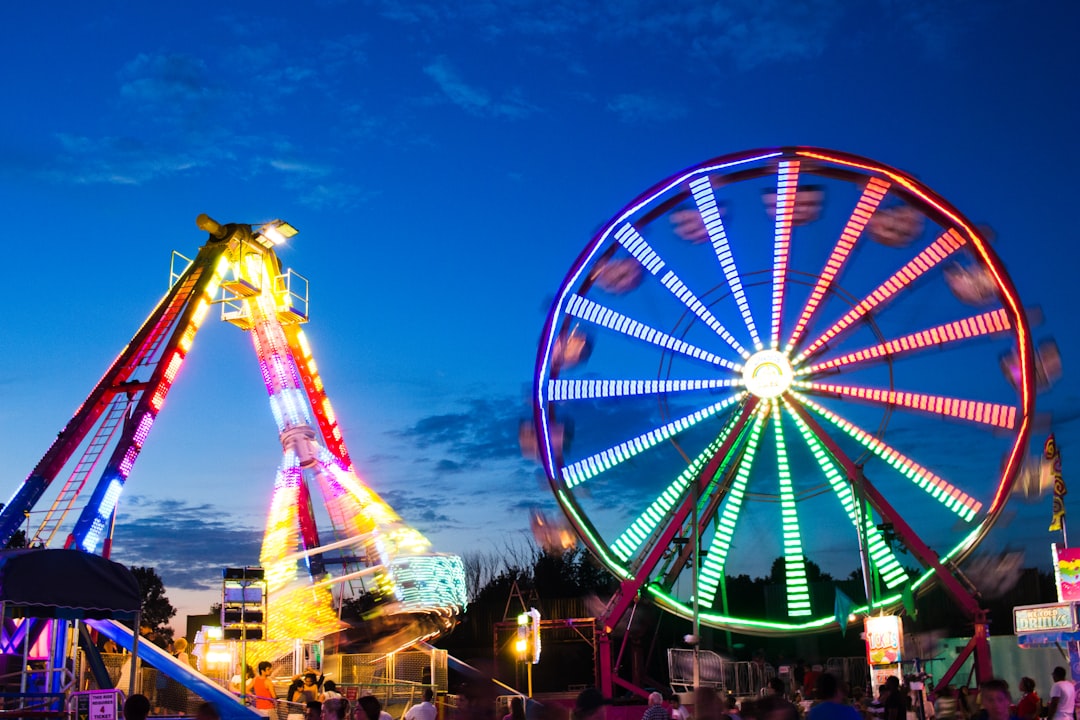
IFA Berlin (Internationale Funkausstellung) has anchored European consumer electronics since 1924, one of Germany's oldest industrial exhibitions, hosting Manfred von Ardenne's first electronic TV demo (1931), AEG Magnetophon tape recorder (1935), Philips Compact Cassette (1963), and contemporary smartphone/TV/appliance generation reveals. ~245,000 visitors and 1,645 exhibitors at peak Reference editions. A handbook covering IFA's structural role in European retail Q4 sell-in cycle, IFA Global Markets B2B sub-event at Station Berlin, Showstoppers press preview format, calendar position relative to CES Las Vegas and MWC Barcelona, Messe Berlin venue logistics, and the three primary IFA strategic positions from EUR 30K B2B to EUR 8M+ flagship.
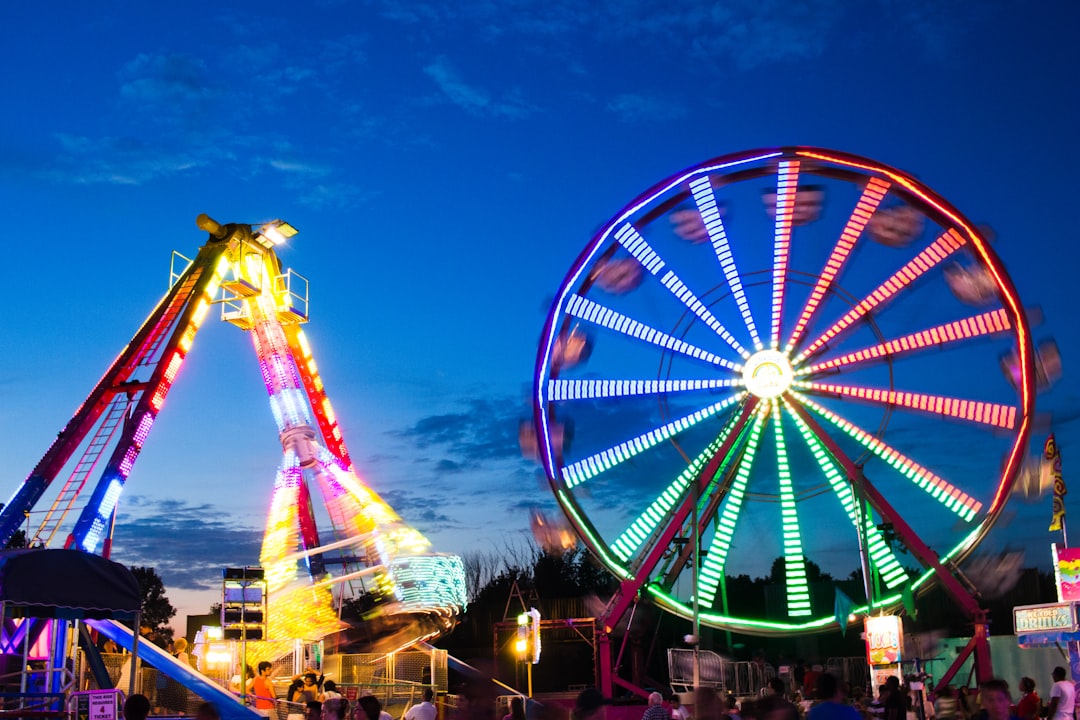
When to spend EUR 250,000 on Hannover Messe versus EUR 45,000 on a vertical fair that captures the same buyers. A decision guide drawn from UFI, CEIR, AUMA and EMECA benchmarks, with named-fair examples and cost-per-qualified-lead math.
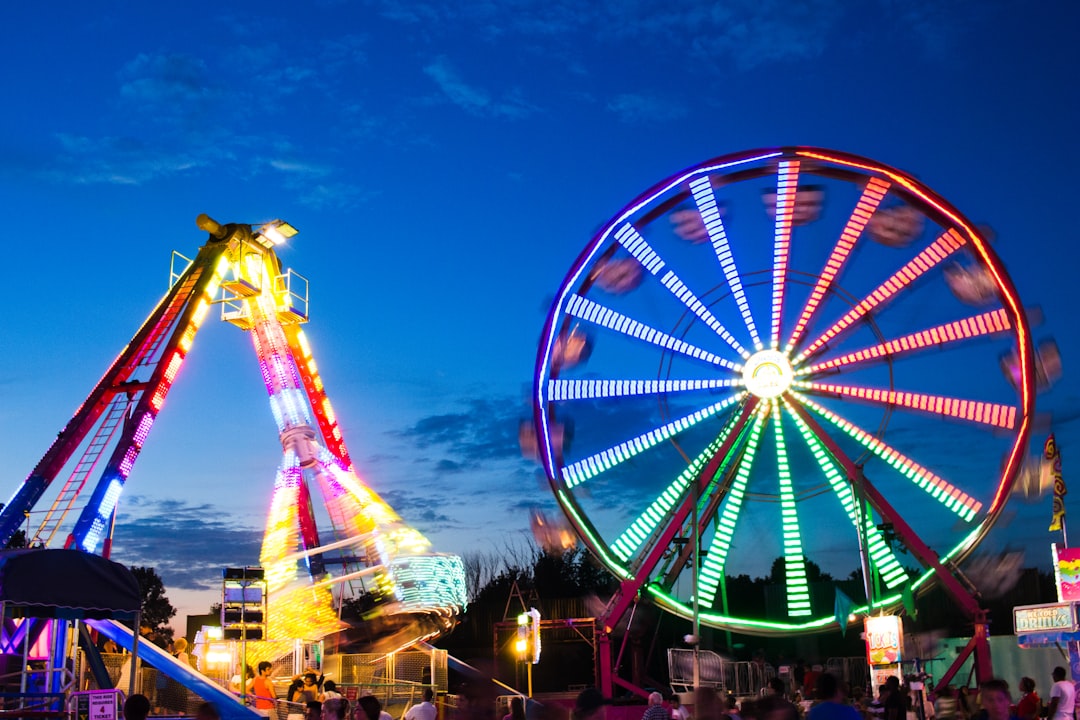
Picking the wrong fair burns six-figure budgets faster than any other exhibition mistake. A four-filter framework, audience fit, calendar fit, commercial geometry, and competitive density, for choosing European trade fairs that actually pay back, with named-fair examples from Hannover Messe to Salone del Mobile.
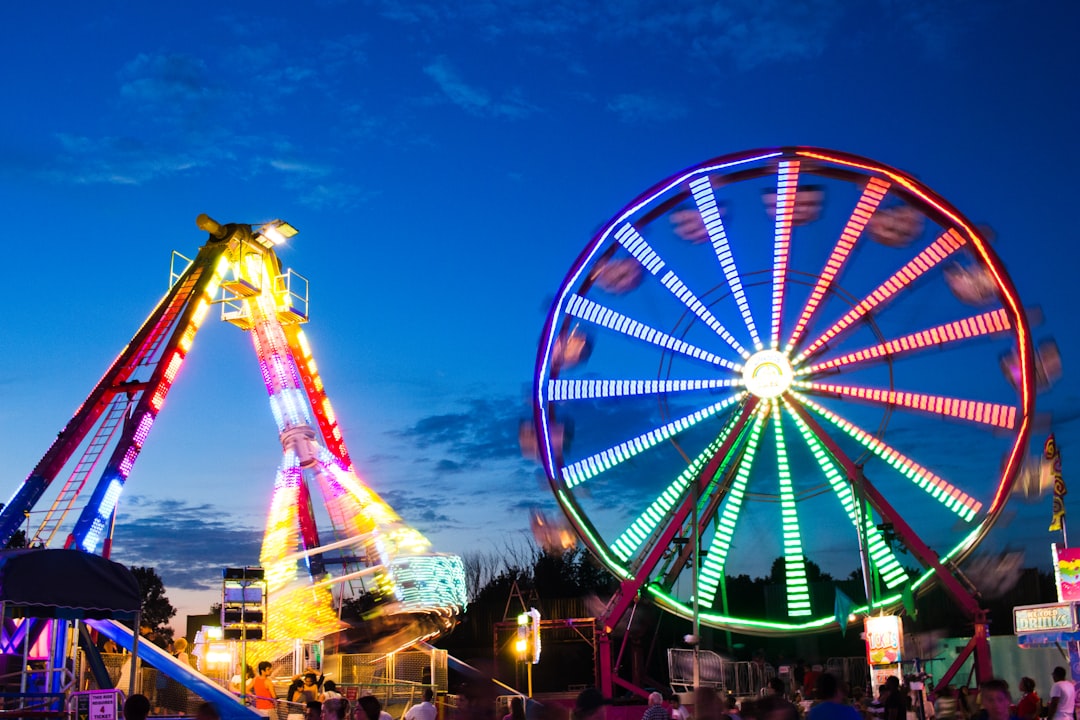
A weighted scorecard methodology for choosing trade fairs in Europe, drawn from AUMA, UFI and CEIR exhibitor research. Real audience-quality data, exhibitor-density math, and EUR cost-per-qualified-lead benchmarks at Hannover Messe, Anuga, Bauma, EuroShop, IFA and ISE.
The four filters are audience, geography, calendar, and economics, applied in that order. Filter one asks whether the visitor profile actually matches your buyer persona: pull the official AUMA or UFI audit and check the percentage of trade visitors, the seniority breakdown, and the share of international attendees.
Filter two checks whether the geographic catchment overlaps your sales territory; Hannover Messe pulls heavily from DACH and Asia, MWC Barcelona is global, Salone del Mobile draws Western European specifiers. Filter three confirms the fair date does not collide with your own product cycle or a competing event you also need to attend.
Filter four tests whether the all-in cost per qualified lead is competitive with your other channels, for most B2B exhibitors that benchmark sits between EUR 200 and EUR 800 per qualified conversation.
UFI approval and AUMA audits provide independently verified visitor and exhibitor data, net stand area, paying exhibitor count, trade visitor share, and international reach. Without audited figures, organisers routinely conflate registrations with attendance, count staff and press as visitors, or quote gross hall area instead of net stand space.
The difference between marketing claims and audited reality can run 30-60% on the visitor figure alone. AUMA's FKM-audited shows (Hannover Messe, EuroShop, IFA, Anuga, K, drupa, Bauma, Automechanika) and UFI-approved events worldwide give you a defensible basis for budgeting cost-per-lead. For a first-time exhibitor in a new market, sticking to audited fairs is the single biggest risk reduction available.
AUMA's database at auma.de catalogues over 6,500 trade fairs worldwide with structured filters for industry, country, audience type, and year. Start by filtering on your industry NACE code and the regions where you have sales presence, then sort by audited visitor figures and exhibitor count.
Pay attention to the trade-visitor-only share, anything below 70% indicates a hybrid public-trade event where B2B value drops sharply. Cross-check shortlisted fairs against UFI's member event list at ufi.org for international credibility. Most serious exhibitors compile a working spreadsheet of 15-25 candidate fairs, then narrow to 3-6 commitments per year.
The database is free; the deeper FKM audit reports cost EUR 50-150 each and are worth the spend on any shortlisted event.
Always, on any fair where your planned spend exceeds EUR 50,000 all-in. A two-day reconnaissance visit costs roughly EUR 1,500-2,500 in flights, hotel, and badge fees and lets you verify aisle traffic at 10:00 and 16:00, the actual buyer composition by hall, the quality of your direct competitors' stands, and whether the matchmaking system delivers real meetings or only registrations.
Many European fairs, including IFA, EuroShop, drupa, K, and Hannover Messe, change character significantly between halls, so a pre-visit also tells you which hall to request. The mistake first-time exhibitors make is committing to a 36-square-metre booth at a flagship event based purely on marketing decks. One walkthrough resolves more decisions than ten sales calls with the organiser.
Six warning signals: net stand area shrinking three years in a row in the audited figures, anchor exhibitors (the brands the fair was built around) withdrawing or downsizing, the organiser launching a parallel co-located event to fill empty halls, last-minute discounts of 30%+ on stand space in the final three months before the show, hall consolidation (eight halls reduced to five), and AUMA or UFI downgrading or removing the audit certification.
Recent European examples include legacy print and consumer-electronics fairs that lost relevance as buyer behaviour shifted online. A single bad year can be cyclical; three consecutive years of decline plus any two of the other signals means the fair is structurally weakening and your budget is better spent elsewhere, typically at a newer vertical event or a regional fair gaining share.
